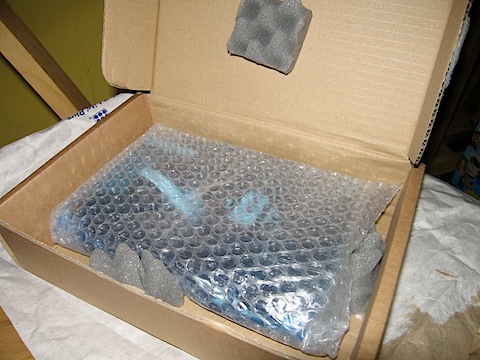
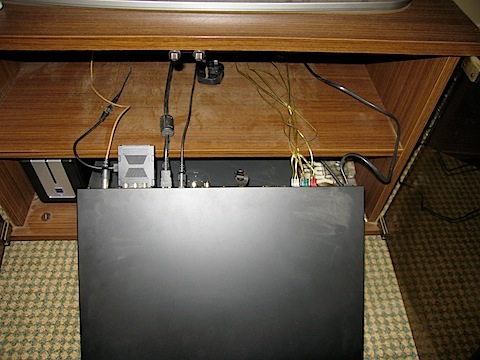
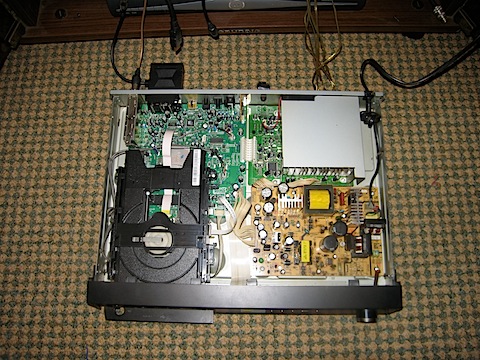
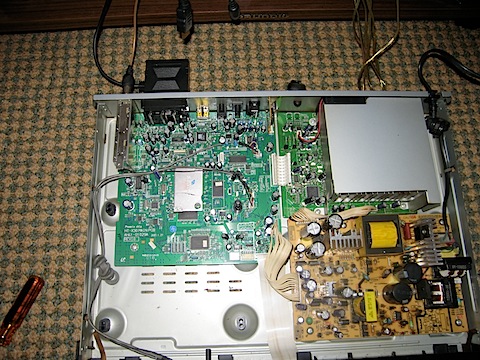
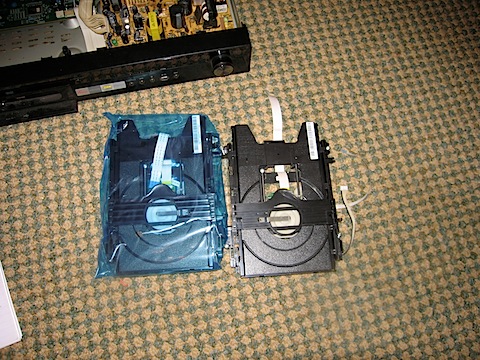
Time to replace the DVD unit in the home theatre again.

It was a quicker job this time. I didn’t lose any of my settings like region free or speaker delay. Successfully played my filthy rental DVD in time to return it for the next one
Time to replace the DVD unit in the home theatre again.

It was a quicker job this time. I didn’t lose any of my settings like region free or speaker delay. Successfully played my filthy rental DVD in time to return it for the next one
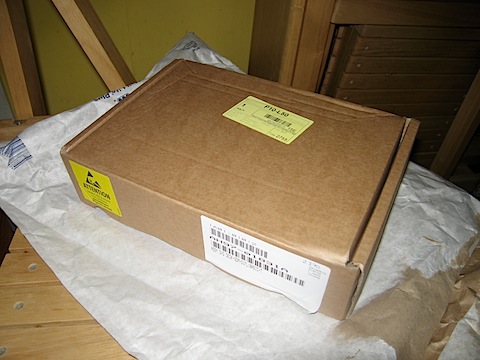
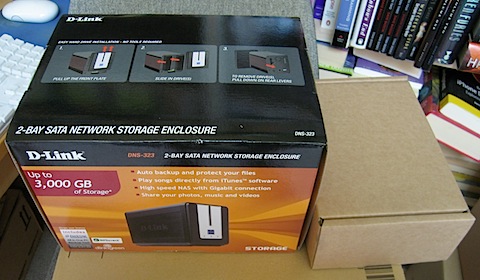
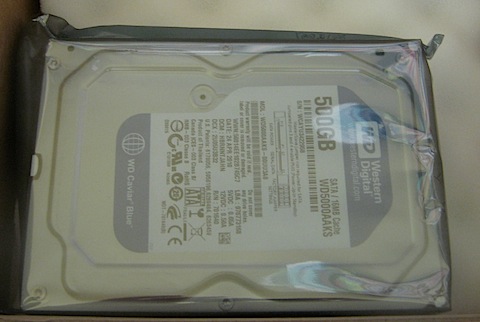
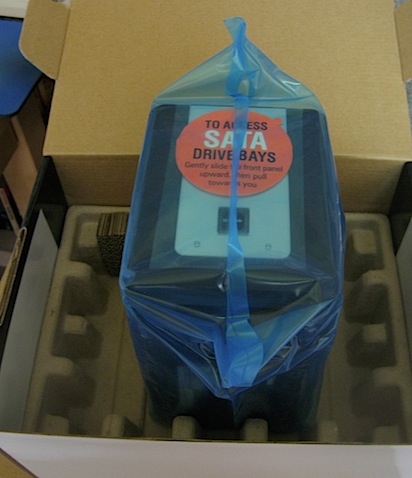
The box containing the DNS-323 and the cheapest compatible drive I could find (which was a 500GB) arrives and is unpacked.
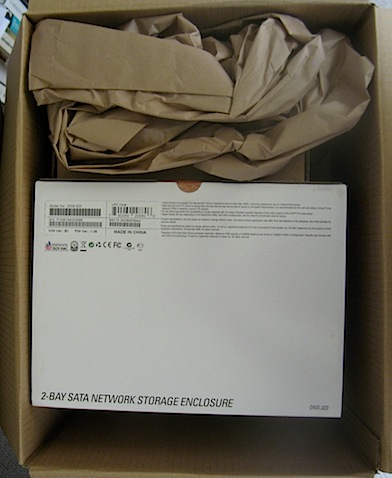
NAS and HD in boxes.
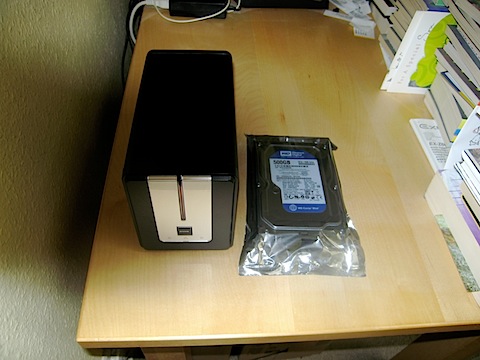
Western Digital Caviar Blue 500GB.
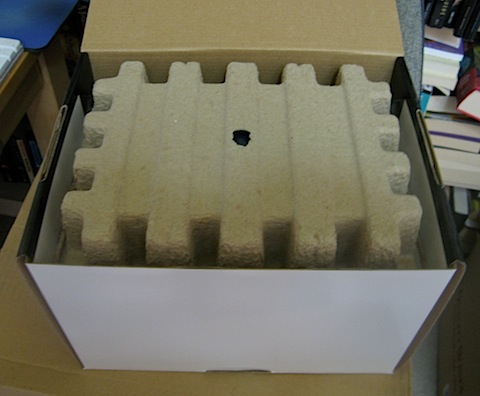
Eco-friendly cardboard packaging on the DNS-323.
It is even smaller than I expected.
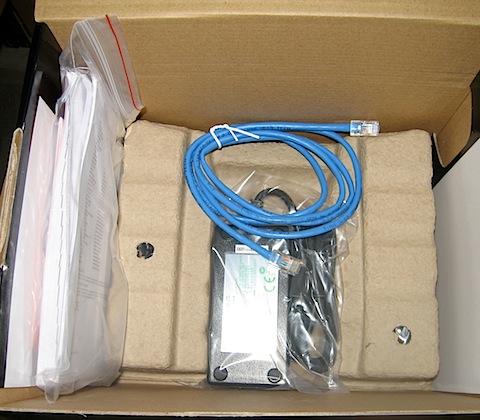
Cables, power brick.
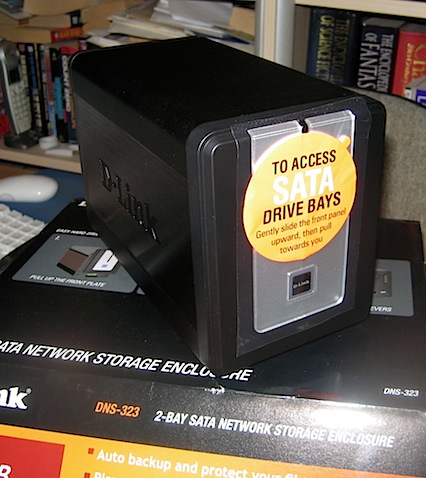
It seems quite nicely made.
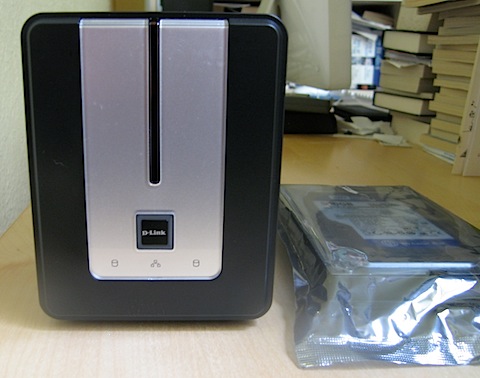
Side by side with HD before installation.
Another view.
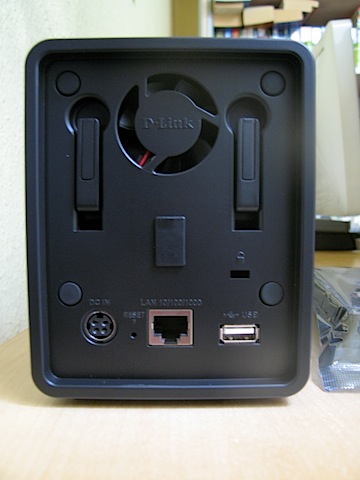
Rear view.
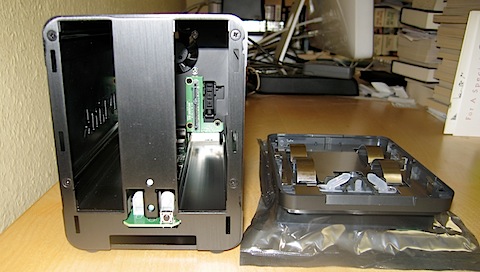
Front cover just slides off to slide in drive(s)
Assembled and hacked in short order. Got lighthttpd mySQL and PHP running. Just a bit of tweaking and hardening and then I’ll find a place to tuck it away out of sight and save some desk space
Later
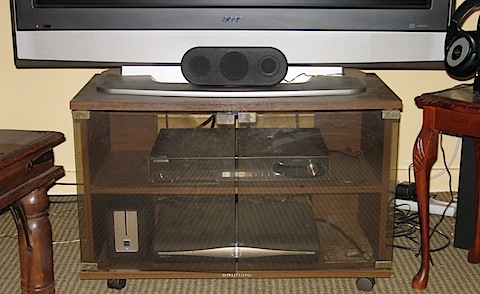
Tucked away in the home theatre cabinet with other fan-bearing gadgets.
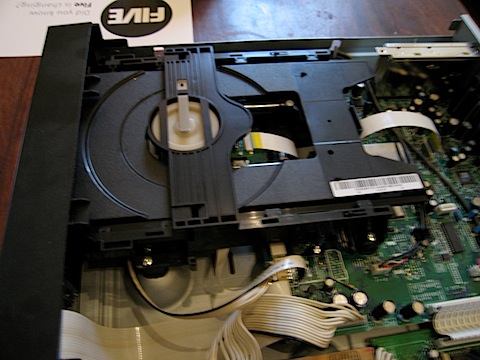
Today I opened up my home theatre system to clean the lens on the DVD player with a cotton bud and some isopropyl alcohol as it was beginning to get a bit fussy about rental disks (which tend to be dirty). This was the first time I’ve had to clean it since replacing the whole DVD drive mechanism a while back. It should work with occasional cleaning for a few more months and then I’ll need to replace the whole optical drive again. Or get a new home theatre system.
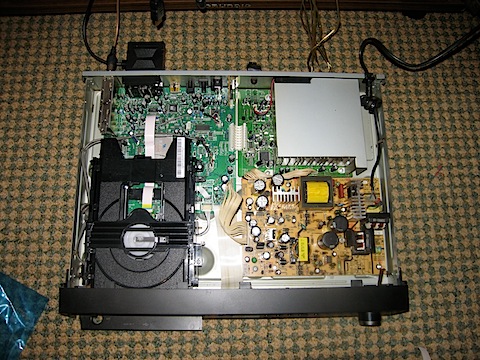
This is what it looks like inside from when I replaced the drive mechanism.
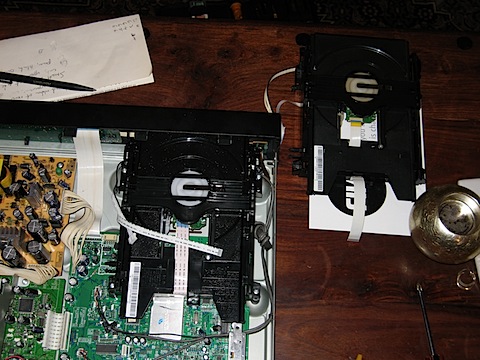
New drive installed except for attaching the cables.

The old drive before it came out.


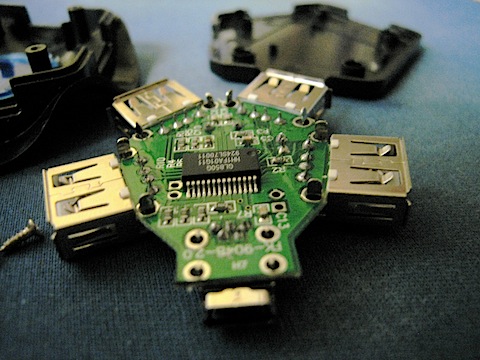
My cheap USB hub died the other day. Inside is a bit wibbly wobbly so I’m not surprised. Let’s see if the new one lasts longer.
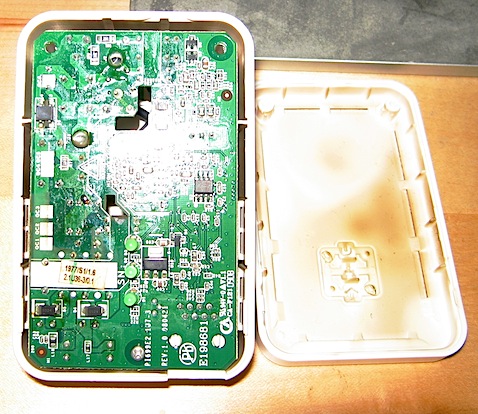
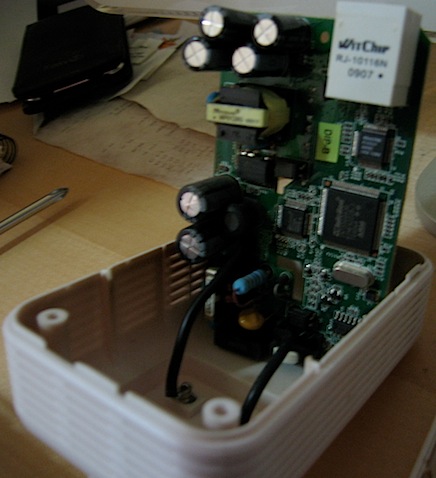
For the curious, what it looks like inside. Don’t do this at home.

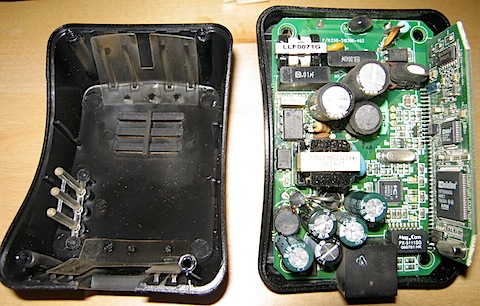
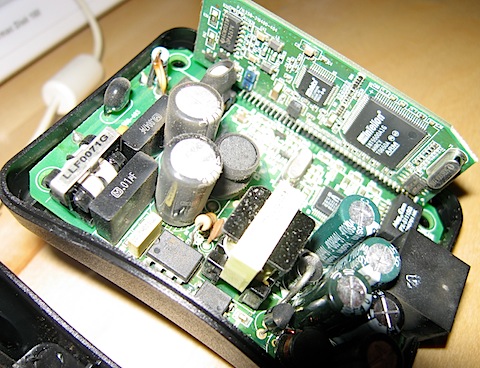
Top cover off. The transparent plastic fork thing is the light guide to take the LED lights from the circuit board to the outside.


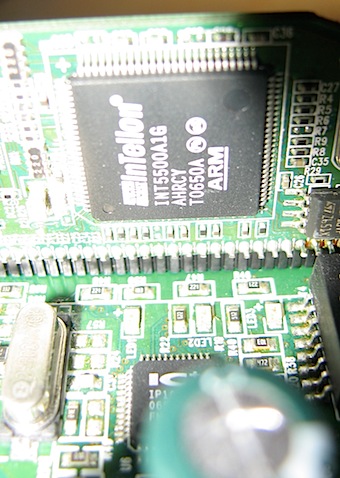
ARM license CPU.
See HomePlug Turbo